Solar Power in India
Explore India's rapidly growing solar energy sector, evaluating project opportunities, technology, economics, and policy.
Why Solar Power Matters
Solar energy has become one of the most important pillars of India's energy transition. Rising electricity costs, sustainability commitments, energy security concerns, and government support programs have accelerated solar adoption across residential, commercial, industrial, and utility sectors.
Solar power offers a unique opportunity to reduce operating costs while supporting long-term environmental and energy goals.
Lower Electricity Costs
Reduce grid electricity dependence and achieve predictable long-term energy costs.
Energy Independence
Generate power at the point of consumption and improve resilience.
Sustainability Goals
Reduce carbon emissions and support ESG commitments.
Strong Financial Returns
Many projects achieve attractive payback periods and long-term savings.
India's Solar Growth Story
India is among the world's fastest-growing renewable energy markets. Driven by ambitious national targets, supportive policies, falling technology costs, and increasing private-sector participation, solar energy is transforming the country's energy landscape.
100+ GW
Installed Solar Capacity
₹75,000+ Cr
PM Surya Ghar Programme
Rapid Growth
in Commercial & Industrial Solar
Scaling Up
Adoption of Solar + Battery Storage
Types of Solar Projects
Residential Rooftop Solar
Designed for homeowners and residential communities seeking lower electricity bills and energy independence.
Typical Benefits
Housing Society Solar
Common-area solar systems and individual rooftop installations can significantly reduce society maintenance costs.
Typical Benefits
Commercial Rooftop Solar
Ideal for offices, educational institutions, hospitals, malls, hotels, and commercial facilities.
Typical Benefits
Industrial Solar
Suitable for manufacturing facilities, warehouses, textile units, pharmaceutical plants, and industrial campuses.
Typical Benefits
Utility Scale Solar
Large solar farms supplying power directly to the grid or through long-term power purchase agreements.
Typical Benefits
How Solar Power Works
Solar panels convert sunlight into electricity using photovoltaic technology.
Capture
Solar modules capture sunlight.
Generate
DC electricity is generated.
Convert
Inverters convert DC power into AC power.
Consume
Electricity is consumed on-site.
Store or Export
Excess is exported or stored in batteries.
Solar Technology Overview
Solar Modules
Modern panels designed for different project requirements.
Solar Inverters
Convert solar electricity into usable AC power.
Monitoring Systems
Track performance and operational efficiency.
Mounting Structures
Provide safe and durable panel installation.
Solar + Battery Energy Storage (BESS)
The future of energy systems is not just solar—it's solar combined with energy storage. Battery Energy Storage Systems enable organizations to maximize solar utilization while improving reliability and reducing dependence on the grid.
Ideal Applications
Government Incentives & Policies
India offers several initiatives supporting solar deployment to make your investment highly rewarding.
PM Surya Ghar Muft Yojana
Financial support and subsidies for residential rooftop solar adoption.
Net Metering
Export surplus solar energy to the grid and receive bill credits automatically.
State-Level Incentives
Various state governments provide additional targeted support mechanisms.
Open Access Solar
Large consumers can procure renewable energy through open access arrangements.
Solar Project Development Process
Energy Assessment
Analyze consumption patterns and energy requirements.
Feasibility Study
Evaluate site conditions and project viability.
System Design
Determine optimal system size and technology.
Financial Analysis
Assess costs, savings, incentives, and ROI.
EPC Selection
Evaluate contractor capabilities and proposals.
Installation & Commissioning
Deploy and activate the system.
Performance Monitoring
Track long-term performance and optimization.
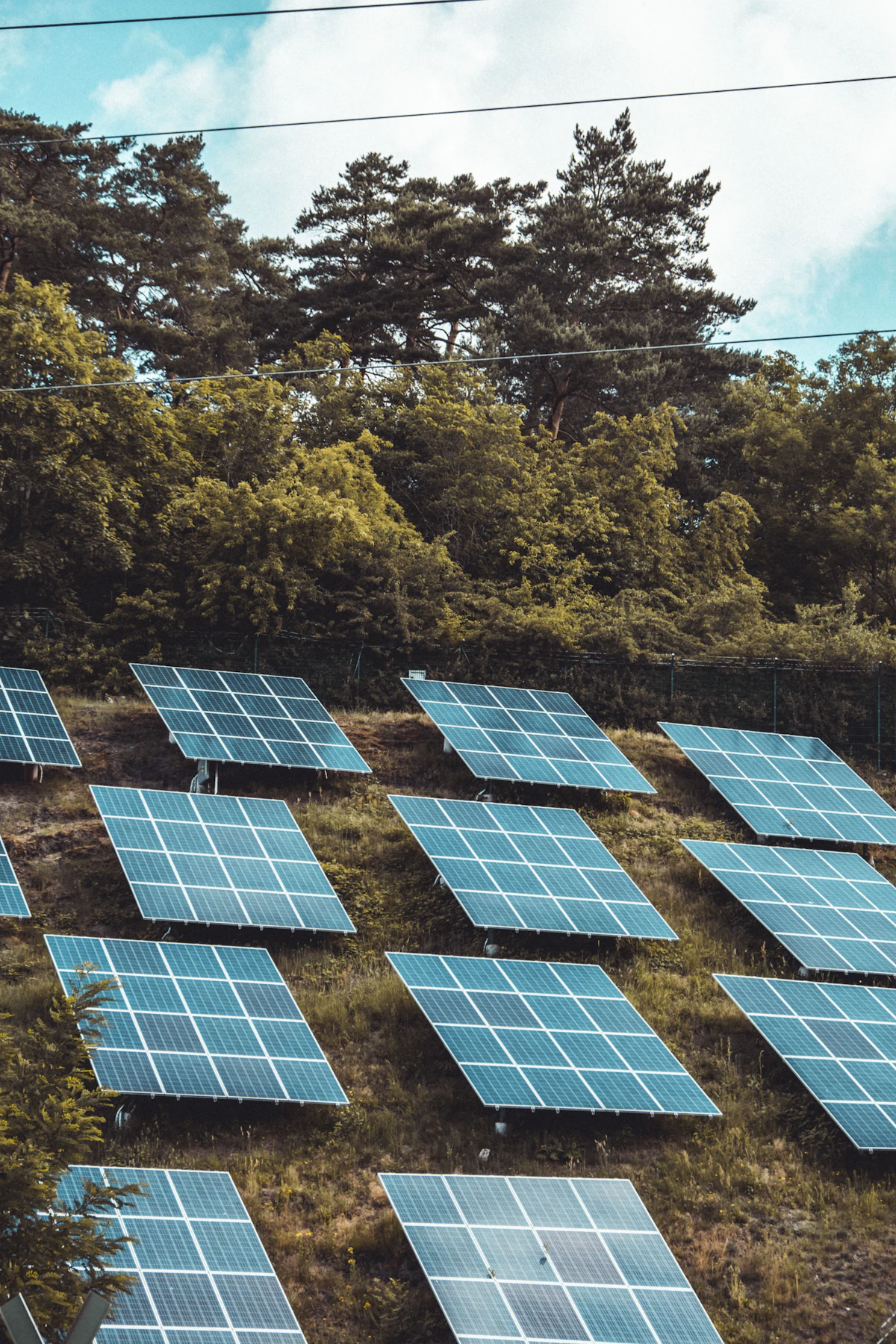
"Solar adoption becomes significantly easier when communities understand long-term savings and subsidy opportunities."
Housing Society Solar Project – Ahmedabad
A 120-unit residential society implemented a two-phase solar programme covering both common areas and individual residences.
Project Scope
- 30 kW Common Area System
- 45 Residential Rooftop Installs
- PM Surya Ghar Subsidy
- Net Metering Integration
Results
- ₹2.4L Annual Common Area Savings
- ₹14K–18K Savings Per Household
- ₹27L Total Subsidy Benefits
- 6-Week Net Meter Approval
Common Questions About Solar Projects
Why Circular Energy
Independent Project Advisory
Receive objective guidance focused on project success.
Technology Expertise
Understand evolving solar technologies and deployment strategies.
Market Intelligence
Stay informed about policy developments, incentives, and industry trends.
Financial Evaluation
Assess project economics before committing capital.
Solar + BESS Integration
Develop future-ready energy systems that combine generation and storage.
Ready to Evaluate Your Solar Opportunity?
Whether you're planning a rooftop system, housing society project, industrial installation, or utility-scale development, Circular Energy can help you make informed decisions with confidence.
Solar is more than a technology. It is a strategic investment in energy resilience, sustainability, and long-term business value. Explore the opportunities with us.